
Special Educational Needs and Disabilities

At Childwall Sports and Science Academy, we are committed to ensuring every student can thrive, achieve and feel fully included in school life. We work closely with students, parents, carers and external agencies to understand individual needs and provide the right support at the right time.

This page explains how we identify and support students with Special Educational Needs and Disabilities (SEND), the provision available, and how we work in partnership with families to help every student achieve their potential.
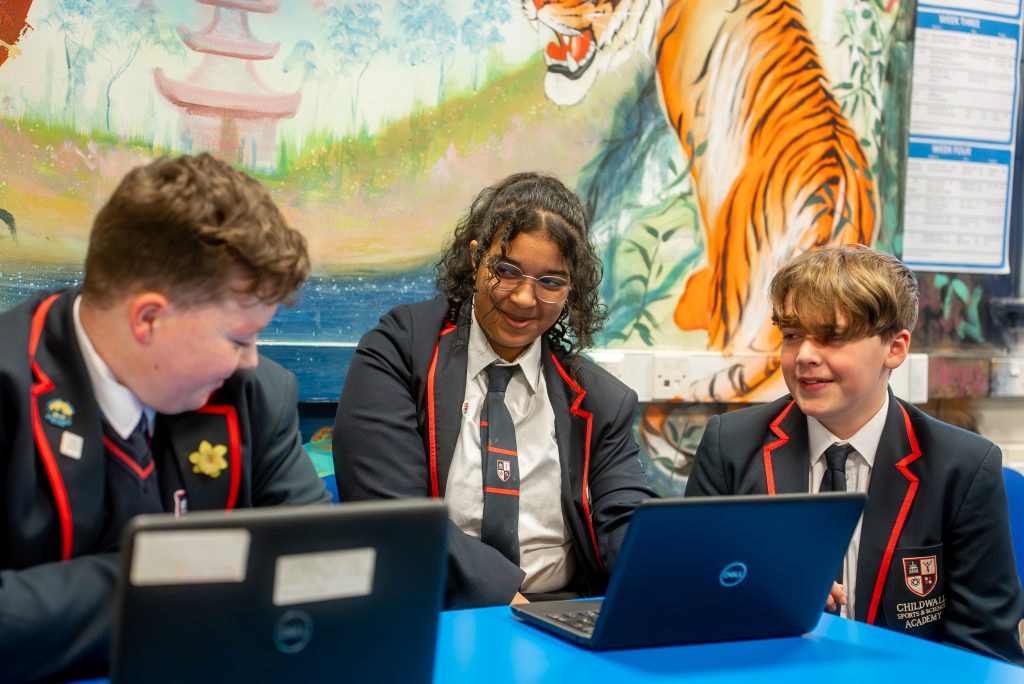
Meet The SEND Team

Our SEND provision is led by Ms E Wylie, Special Educational Needs Coordinator (SENCO). All emails should be sent to: sendteam@childwallssa.org

These emails are received by the whole SEND team and will be picked up more quickly than sending to individual members of staff. We aim to respond within two working days.

How We Support Students With SEND

At Childwall Sports & Science Academy, we are committed to providing an inclusive learning environment where every student is valued, supported and encouraged to achieve their full potential.

We recognise that students may require different levels of support at different stages of their education. Our approach is centred on early identification, strong partnerships with families, and personalised support that enables students to access learning, participate fully in school life and make excellent progress.

Support for students with SEND begins with high-quality teaching in the classroom and may include additional interventions, targeted support programmes, specialist resources or input from external professionals where appropriate. We work closely with students, parents, carers and external agencies to ensure support is tailored to individual needs and reviewed regularly.

Whether a student requires short-term intervention, ongoing SEND Support or provision through an Education, Health and Care Plan (EHCP), our focus remains the same: helping every child to thrive academically, socially and emotionally.

“I know who to speak to if I need help and the Learning Support area gives me a quiet space when I need it.” Year 9 student
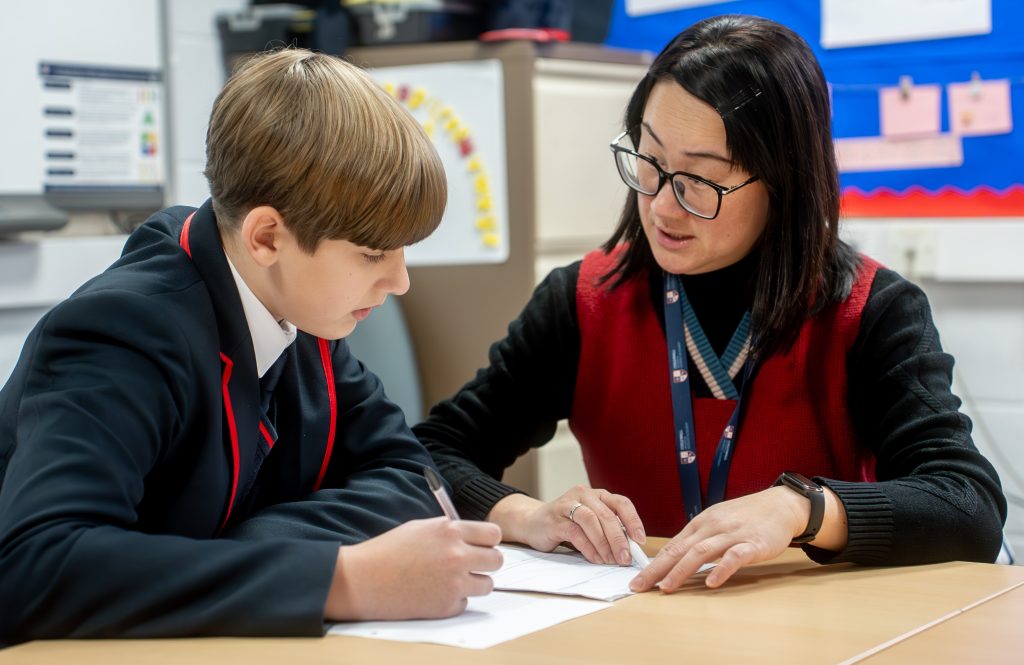
SEND Information Report

Our SEND provision is closely aligned with the wider ethos of Childwall Sports and Science Academy, where inclusion, aspiration and academic progress are central. We aim to ensure students with SEND access the full curriculum, participate in school life and achieve outcomes that reflect their potential.

The SEND Information Report explains how Childwall Sports and Science Academy identifies, assesses and supports students with Special Educational Needs and Disabilities.

Read our SEND Policy and related safeguarding and accessibility documents here. These set out how we identify and support students with Special Educational Needs and Disabilities and outline the procedures, responsibilities and provision in place across the school and Lydiate Learning Trust.

The information below forms part of our statutory SEND Information Report and is reviewed regularly to ensure it reflects current practice and guidance.
Transition Support for Students with SEND

Step 1: Information Gathering (Spring–Summer) – We work with primary schools, parents and external professionals to gather key information about each student’s needs, strengths and support requirements.

Step 2: Transition Planning Meeting (Where required) – For students with identified SEND needs, we may hold a dedicated transition meeting with families and primary school staff to agree support before entry.

Step 3: School Visits – Students may be invited to additional visits to explore the school site, meet key staff and become familiar with routines and expectations. These visits are tailored to individual need.

Step 4: Summer Transition Support (Where appropriate) – Some students benefit from additional summer sessions, which may include small group activities, familiarisation time and structured support in key areas of school life.

Step 5: Transition Information Shared with Staff – Before students start, all relevant information and support strategies are shared with staff to ensure consistency from day one.

Step 6: First Days in School – Additional pastoral and SEND support is in place to help students settle into routines, navigate the school confidently and access learning effectively.

Step 7: Ongoing Review – Transition does not end in September. We continue to monitor and review each student’s progress during their first term to ensure support remains appropriate.
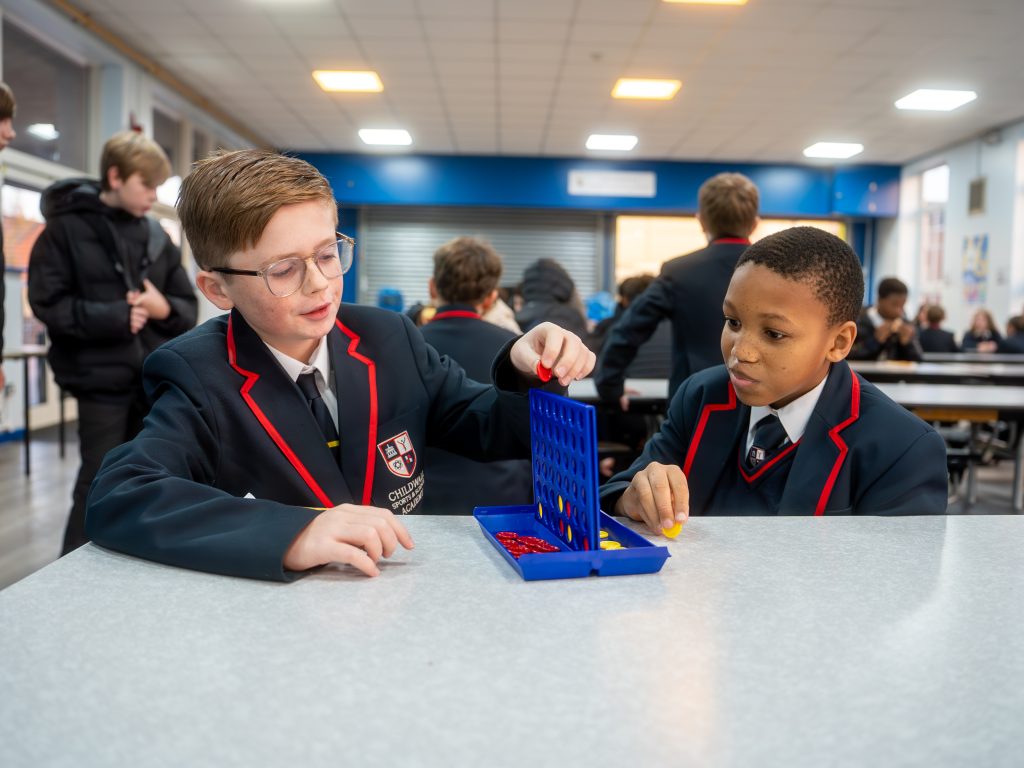
“The SEND team worked closely with us from Year 6 onwards. The transition process was excellent and our child settled quickly.” Year 7 parent

Frequently Asked Questions

How will the curriculum be matched to my child’s needs?

On entry to Childwall, we gather the Key Stage 2 information and this helps us to place your child in the appropriate set. In addition to that, we also have screening and assessment interventions to assess specific needs, for example, for Dyslexia.

If your child has specific needs and is in a full class (up to 30 students), then there can be a Learning Support Assistant in these lessons to provide support. The teaching and support staff will have access to your child’s support plan, so they will be differentiating their approach to teaching based on the strategies and recommendations stated on this.

Quality First Teaching and Adaptive Teaching ensures a consistent approach is used in all lessons.

Teaching and support staff should differentiate the work in lessons to meet the needs of the student (as advised on the support plan).

How will I be involved in discussions about and planning for my child’s education?

This process starts during the transition period from Year 6 to 7. Once your child has been allocated a place at Childwall, we then liaise with the primary school and yourselves to gather the relevant information we require to ensure we understand and implement the relevant support package for your child. Our transition programme promotes a positive start to secondary school, with a good level of communication with yourselves to help prepare your child for their next step in education.

We use the information transferred from your child’s primary school to decide if your child will be placed on the SEND Register. A Support Plan will then be produced and shared with teaching and support staff to ensure we have a good understanding of your child and that we are implementing strategies to ensure they are able to access learning at an appropriate level and make progress. We also ensure that any external agencies who are working with your child are included at meetings and any reports they produce are used when creating the support plan.

Childwall follow the graduated response to SEND support. We use Quality First Teaching across the Curriculum, but we do understand that some of our students require additional support to this. The graduated response ensures we follow the Assess, Plan, Do and Review process. This involves regular assessments, along with a report home and a review 3 times per year (or each term). A good level of communication between home and school is encouraged and is beneficial for staff, parents and students. Communication with school can be accessed via email and phone calls to the SEND Team. We will invite you in for a termly review meeting, plus we can meet at the Presentation of Learning evenings.

How will school staff support my child?

All relevant staff will be provided with a copy of the support plan specifically prepared for your child. Specific staff meet on a regular basis, so concerns/feedback and relevant information can be shared and discussed. Based on the Key Stage 2 data, targets are set for our students, with termly monitoring and assessment, so any changes to provision can be put in place. The students are involved in this process and the pupil voice is valued in all aspects of school life.

Any provision required beyond Quality First Teaching strategies can include:

  • Support Plan with information, recommendations and strategies to promote understanding and meet specific needs
  • Learning Assistant Support in lessons
  • Access to Literacy and Numeracy catch-up sessions (small group)
  • Access to Nurture Group (small group and a differentiated approach in specific lessons)
  • Access to multi-sensory programmes (for example, IDL which is for students with Dyslexia)
  • A good level of communication between home and school, including regular contact and review meetings
  • Regular assessments to assess reading and spelling ages
  • Resources to promote independent learning, such as a task organiser
  • Access arrangements in place for students during assessments and tests
  • Access to the Learning Support area during unstructured times of the day – provides a safe haven in a supervised area
  • 1:1 and small group sessions for social communication and interaction, emotional wellbeing and time out
  • Extra curriculum activities, such as sporting activities, lunchtime clubs and breakfast club
  • External agency liaison and support as required
  • Provision, such as leave lesson early passes for students with specific/medical/physical needs
  • SEND School Governor

What support will there be for my child’s overall well-being?

Your child will be introduced to the Learning Support area. This is where the SEND Team are based and provide a safe environment during the unstructured times of the day.

Your child may receive 1:1 support or a small group session and they will access the Learning Support area for this.

Pupil voice is very important and your child will complete an Access to Learning Plan, where the views of your child will be sought in relation to how we can help them, their likes and dislikes, etc.

Our Learning Support Assistants can offer support in and out of lessons.

We liaise closely with our Safeguarding team and have a procedure in place to report any concerns.

We have a Student Support Officer who deals with medication/first aid/uniform and medical issues.

Support is offered by the SEND Team to help students with guidance and support for issues such as social communication difficulties.

We work closely with external agencies, such as School Counselling, CAMHS and sensory teams. They offer specific services to our students and it is our responsibility to refer and liaise with the agencies as required.

What specialist services are available and accessed by school?

All staff at school are responsible for all our students. We also have access to specialist services:

  • Education Psychology Service
  • Physiotherapy Service
  • Visual Impairment Team
  • Hearing Impairment Team
  • School Counselling Service
  • Child and Adolescent Mental Health Services (CAMHS)
  • Outreach services, such as Abbot’s Lea and Clifford Holroyde
  • ASC Specialist Teacher support
  • ASC Pathway Services
  • Education Welfare Officer
  • Young People’s Advisory Service (YPAS)
  • Special Educational Needs In-School Service (SENISS)
  • School Nurse
  • Ethnic Minority and Traveller Achievement Service (EMTAS)
  • The Brook Advisory Service
  • Bereavement Services
  • Addaction
  • Barnardo’s

What training do the staff that are supporting children and young people with SEND have?

We offer inset day and after school training for all staff. We provide training for the following:

  • Attention Deficit Hyperactivity Disorder (ADHD)
  • Autistic Spectrum Condition (ASC)
  • Social emotional and mental health, such as behaviour and anxiety issues
  • Early Help Assessment Tool
  • Training for specific medical needs
  • Epipen administration training
  • Safeguarding
  • First aid
  • PREVENT
  • Specific learning difficulty
  • Exam invigilation
  • Personal evacuation plans in place for students with physical disabilities

How accessible is the school?

  • Wheelchair accessible – ramps and lifts throughout the school
  • Lift
  • Evacuation chairs
  • Medical room
  • Disabled toilets
  • Leave lesson early and early lunch passes for students with specific needs
  • Defibrillators on site
  • Risk assessments
  • Use of a quiet area for students with sensory issues

How will the school support my child to join the school and how will the school support my child in transferring to the next stage of education?

We will meet with other schools, parents, child and services to ensure we have all the information that is required to enable your child to join our school or move to another placement.

The SEND Team liaise closely with Heads of year and pastoral staff within the school to ensure a smooth process in place for entering or leaving our school.

A transition programme is in place for our new students.

For any new admissions, we arrange a day where your child will sit assessments with us to help us determine the right sets.

Regular inclusion meetings take place between Heads of Year, senior staff, Safeguarding/Attendance Team and the SEND team to monitor and update any student concerns and progress.

Use of various assessment tools, such as Lucid Rapid Dyslexia Screener in place as required.

Strengths and Difficulties Questionnaires (SDGs).

External agency intervention as required.

We will maintain a good level of communication between home and school to ensure you are fully aware of your child’s behavioural and academic progress.

For the start of each new year, we will inform teaching and support staff of the support plans in place and any other information which will help staff understand and meet the specific needs of your child.

Transition support is offered to our Year 7 and Year 11 students to help with their new stage in education.

How are the school’s resources allocated and matched to a child’s or young person’s special needs?

Based on the information we receive and the involvement of external agencies, we can gauge what additional support is required for your child. We may need to apply for High Needs funding to ensure we can implement the correct level of support, such as a Learning Support Assistant or an intervention by an external agency.

The SENCo deploys the support staff to ensure students receive the correct level of support.

The SENCo and budget holders will decide and review what interventions are required, such as literacy and numeracy interventions.

Budget decisions are made in conjunction with the school governors and Head Teacher.

How are parents involved in the school? How can I be involved?

School will meet with parents at specific times during the school year, such as during Open Evenings, Presentation of Learning Evenings and planned review meetings.

Regular communication will be encouraged and this can be maintained by phone calls, email and planned meetings.

We can use a home/school diary if required.

We hold parent sessions/workshops with specialist external agencies.

We do have an elected Parent Governor.

Useful Websites and Resources

The following organisations provide trusted information, guidance and support for children and young people with Special Educational Needs and Disabilities and their families.

Liverpool SEND Local Offer

The Liverpool SEND Local Offer brings together information about education, health and social care services available to children and young people with SEND across Liverpool. It includes guidance on assessments, EHCPs, specialist services, support groups and local activities.

SENDIASS Liverpool

SENDIASS (Special Educational Needs and Disabilities Information, Advice and Support Service) provides free, confidential and impartial advice for parents, carers, children and young people. The service can offer support with SEND processes, meetings, assessments and understanding rights and responsibilities.

Autism Initiatives – OSSME

Autism Initiatives’ OSSME service provides information, guidance and practical support for autistic young people, families and professionals. The service offers advice on education, wellbeing and accessing appropriate support.